
Embracing Authentic Disability Inclusion within the Church
Written By: Brooke Gulvas
The Example We Are To Be
Throughout the Bible, there is a message that stands firm: we are to be like Jesus. After all, we were made in the image of God. We are to do our best every day to reflect God's intricate design for humanity, which includes every person, regardless of ability.
However, our shortcomings prevent us from completing our mission in many ways. One way we, as a church, are failing is in setting the example in vital areas of accommodation, adaptation, acceptance, and inclusion. As a church, we should never make anyone feel unwelcome, yet that can be the case in our community of people with disabilities. Here, we will explore the core barriers preventing us from fulfilling this essential biblical mandate and ways we can work to solve them.
The First Amendment of the Constitution limits government interference in religion and establishes the separation of Church and state. Therefore, many churches are exempt from following specific ADA requirements. This fact does not lessen our responsibility; instead, it underscores that the Church's leadership on accommodation is a matter of profound biblical priority, not civil compliance. The type of ADA requirements that people first think of is the physical, so what does that look like?
The Cost of Exclusion: Addressing Physical Barriers
Many churches operate in older buildings with complex infrastructure, often creating physical barriers that limit accessibility for all. Modifying building structures to include ramps, elevators, and accessible restrooms can be challenging, frequently met with the phrase: “it is not in the budget”. The price can be high, especially for older buildings. The question here is, when did that ever stop God?
There are simple physical barriers to fix. Labeling doors, clearing clutter build up in hallways, and adding braille to signage. These are often low-cost, meaningful fixes that improve accessibility. Given the high costs, plans need to be put in place, including budgeting and fundraising, and potentially multi-year, phased accessibility plans for church building upgrades.
Our job is to bring people closer to God, not prevent them from knowing Him. Churches are excellent at fundraising, problem-solving, and pulling from connections and resources. If we can raise funds and mobilize teams for mission trips, building improvements, or community outreach, why do fundamental physical barriers for our own members and visitors remain an issue? It is a question of priority, not capability. When there is a will, the Church always finds a way. Call in those favors from local businesses and community members, your best fundraising crew, and your volunteers. God makes a way; nothing is impossible for Him. This proactive approach could be the inspiration the community needs to come together.
The Fear of Change: A Barrier to Inclusion
Fear often paralyzes us, preventing us from moving forward. It is a sin of omission, preventing us from taking a step forward or being courageous enough to do the uncertain. This fear is what the community of people with disabilities sees when encountering a church that is not welcoming. Is it a fear of saying the wrong thing or disrupting the everyday routine? The idea that fear makes us ignore a person is harmful; even something as simple as asking, "How are you?" is better than acting as if they aren't there.
It is important to remember that the Church is the people, and the people reflect the teachings. When leadership ignores or remains silent about this problem, that silence becomes an unintended yet consequential lesson in exclusion. Ignoring problems within is a recipe for disaster.
God tells us not to be afraid, for I am with you (Isaiah 41:10). Consider Moses; he faced great fear when God told him to speak to Pharaoh. Esther was afraid for good reason when Mordecai asked her to approach the king, but she did it anyway. Paul, in his ministry journey, spoke out against rulers, was jailed, and faced much criticism; he did it anyway. Their fears were justified, but God's assignment prevailed; they acted in faith. In this way, the Church's mission to welcome all must not become paralyzed by the fears of complexity or change.
You may not believe you are afraid; however, we often push aside what we don't understand, and that, in itself, is a form of fear. We should be continually educating ourselves, not pretending that our community is exempt from people with disabilities or refusing to acknowledge that a change is needed. We should instead have faith in God, trusting Him to help us through this knowledge barrier, and seek guidance in handling new situations and information.
Listening and Learning: Bridging the Knowledge Gap
The Church has a divine mission to reach others, which requires taking on the roles of educator and learner. Living with a disability, or being a caregiver, often means a life of constant advocating, fighting for needs, and attending endless appointments. We look for community and a place where we can turn to God for comfort and peace.
Yet, when we look to the Church, we often find the very community we seek is missing. They fail to see us as part of their journey, their community, and they fail to accept the raw version of who we are. This failure is rooted in a lack of understanding and outdated thinking. It is here: change is mandatory, and it starts with turning the knowledge barrier into a bridge of education and empathy. This change requires churches to actively listen to the life stories of those in the disability community.
There is a misconception that people and children with disabilities are this way due to punishment from God. Those who spread this false ideology state that these individuals are punished for either their own sin or, if born with a disability, they may claim it is punishment for their parents' sins. It is unbiblical. The truth is, every individual, regardless of ability or disability, is a part of God's intricate design and deserves to be treated with love and respect. Numerous times, Jesus sat with, healed, and defended people with disabilities. Specifically, in Luke 14, Jesus tells the Pharisee to intentionally invite the sick, blind, crippled, and poor to his feast. The purpose of this was to reflect on humility, to remain humble, and to show God's heart. By knowing that these individuals cannot repay you for your generosity towards them, you are showing them God's love, His grace, and His compassion for all. By learning and understanding these stories, we can grow and work together to build something new.
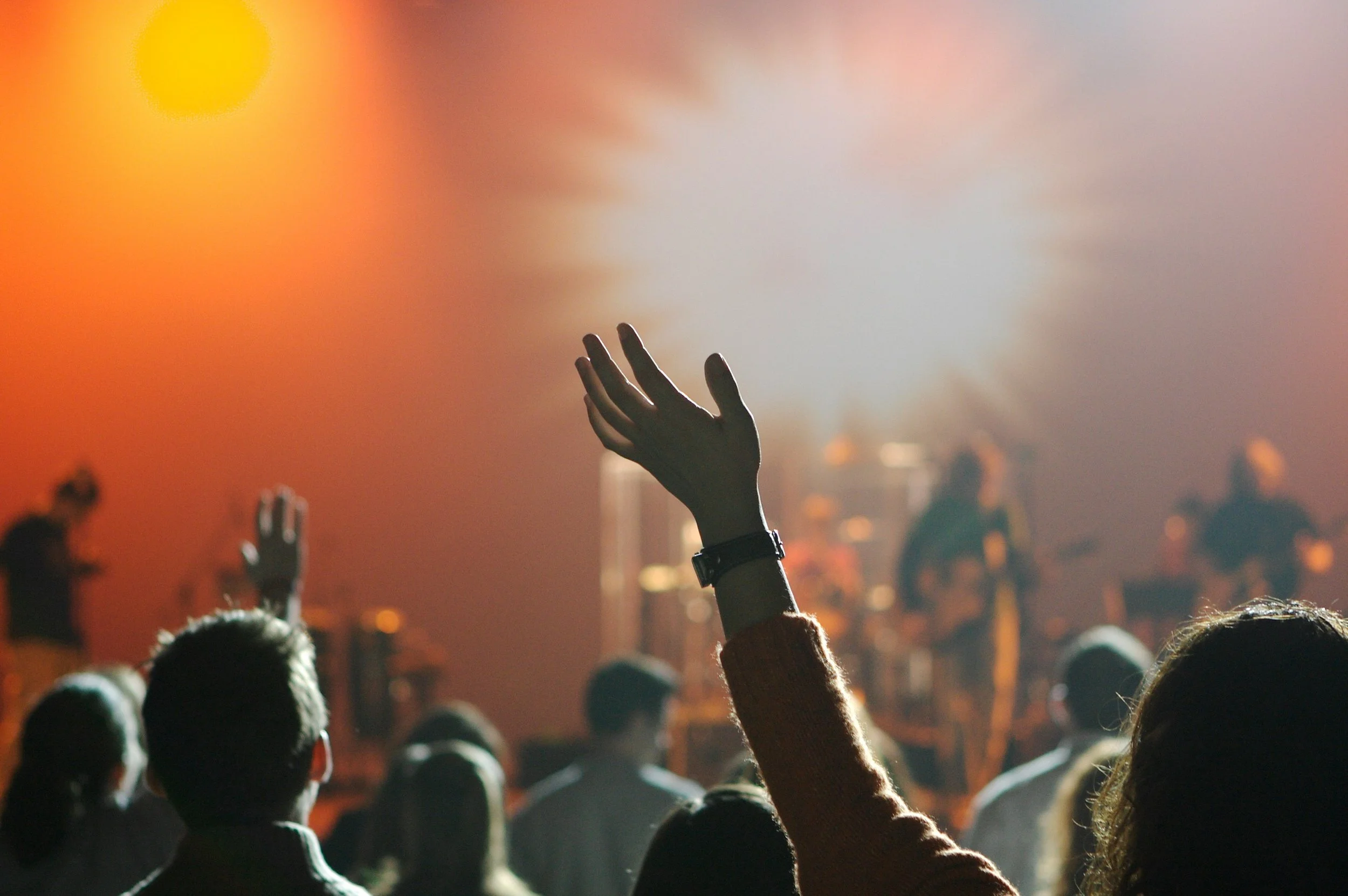
Authentic Inclusion: Moving Beyond Separate Ministries
True inclusion goes beyond merely opening the doors; it demands full participation. Some churches have worked to bridge this disconnect with special needs ministries. Churches are starting to see the need within the community of people with disabilities, maybe due to the rise in intellectual disabilities, or a stand of the people within the community calling out what was long overdue.
These ministry programs range from simply providing a separate room to watch the service so our children can roam freely, to having support staff for one-on-one in-class support, and, in some cases, a whole location filled with sensory equipment, trained staff, etc. These are wonderful tools, greatly appreciated and necessary. But, the use of these tools should be more of a transitional resource, acknowledging that, while inclusive, they are not truly authentic.
These different programs work toward the goal of inclusion by fostering exposure and education, allowing those within this community to feel acknowledged and to have a place in the church building. These individuals, however, are still cast out of the worship room, unable to participate in the act of worshipping Our Lord and Savior with the community of the Church. Is it due to the added movements, sudden noises, or outbursts, or is it simply that the church body is still too uncomfortable with change?
We must move past models that encourage separation and toward authentic inclusion. We must create environments where people with disabilities are allowed access to the same worship, not be placed in a separate room. A model that shows authentic inclusion, meaning people with disabilities and all individuals are in the same room together, sharing each other's joys and burdens, as we are called to do by God, as shared by Paul in Galatians 6. Only by bringing authentic inclusivity will others realize that disability does not equate to an inability to serve.
As we get to know one another through an authentic relationship, we will come to recognize that we all have God-given gifts. Disability does not mean helplessness; you will find in this community some of the strongest prayer warriors, determined individuals, and the biggest hearts to serve and help others. The main reason is that they understand hardship; they know what it is like to be looked down upon or to be different. The drive and will to serve the Church are within this beautiful group of people.
Four Action Steps for Authentic Inclusion
As with any change, it takes time. To break the expected norms within your Church will not happen overnight. It must be done strategically and in steps. Map out your plan to break this barrier within the church community and the community of people with disabilities. Pushback is expected, but through prayer and faith, God will guide you to do what is best for your Church. Given some of the core barriers, here are four steps you can take now to help bridge the gap.
1.Audit your church building's physical accessibility:
Form a small, committed team (ideally including a person with a disability or a caregiver). They will conduct a thorough walk-through to identify both low and high-cost physical barriers.
Plan to quickly remedy these low-cost physical barriers (clearing clutter, installing new door signage).
Have the team research the high-cost physical barriers to develop a multi-year, phased financial plan to implement solutions.
2. Host a "Listening and Learning" Class:
Organize sessions for members of the disability community to share their lived experiences both within and outside of the Church. Encourage leaders and volunteers to attend.
Include practical interaction training to educate on appropriate language, etiquette, and social skills.
Create a safe space to ask questions, build education and empathy, and ensure real-world needs inform future changes.
3. Identify and recruit for shared service:
Intentionally reach out to individuals in the disability community, inviting them to serve in shared roles alongside the whole congregation (e.g., ushers, greeters, tech team).
Ask what accommodations are needed to ensure the individual can serve in a way that best meets their needs. Authenticity requires setting everyone up for success in their assigned roles.
4. Be outspoken:
Be open with the congregation about the steps the Church is taking. Discuss the happenings during announcements, include volunteer opportunities in the bulletin, and create a whole sermon series on the topic.
Start getting your congregation used to the idea that change is happening and that progress toward better will bring uncomfortable feelings, while equipping and educating them to know that silence is no longer acceptable.
These are only a few ways to start the process for change and authentic inclusion. It is a stepping stone to modeling God's love for all. God wants to see us working to fulfill His mission; leading as many people to Christ as possible, opening doors and ways for people to know Him, just as you and I have gotten to.
Fulfilling Our Purpose: The New Standard of Inclusion
The ideas are clear, and the biblical precedent is set. The Church must lead by example in accommodation, adaptation, acceptance, and authentic inclusion. It is time to turn our vast resources, biblical call to courage, and mission to educate into action, ensuring that every person finds their whole place in the body of Christ. Standing in the shadows, pretending not to notice, will no longer be accepted. Change is needed to fulfill our purpose, to be the example we are called to be.
1 John 2:6, "Whoever claims to live in Him, must do as Jesus did". Jesus sat with those in need, spent time in fellowship with them, healed them, and preached to them. Jesus set the most beautiful example of what we should do, what we are expected to do. Churches may be legally exempt from complying with ADA requirements; however, we are not exempt from doing what God expects and requires of us. It is not a matter of whether we should; it is a matter of how we do. Churches, it is time that we gather our resources and be the model for others, showing what it truly means to be accommodating, accepting, and inclusive.
